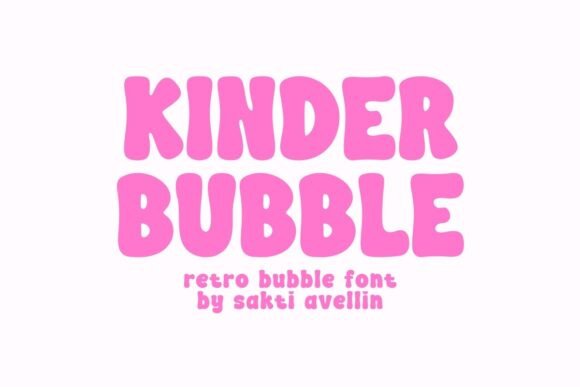
Kinder Bubble: A Quaint Retro Font for Vintage Branding
I opened a blank project file this morning, staring at a white canvas that needed a soul. The client wasn't looking for the sterile, hyper-modern aesthetic that dominates tech startups; they wanted something warm, nostalgic, and delightfully quaint. They were launching a boutique skincare line inspired by old-world apothecaries, and suddenly, Kinder Bubble felt like the missing piece of the puzzle. As I dragged the typeface onto the screen, I immediately understood why it is categorized as a premium Display font—it demands attention without shouting.
Introducing Kinder Bubble to Create Nostalgic Packaging Designs
Kinder Bubble transforms the way you approach product packaging by instantly establishing an emotional connection with your audience. When I applied this retro font to the mockup of the skincare jar label, the design shifted from generic to personal in seconds. The rounded, bubbly letterforms carry a specific personality that feels handmade and trustworthy, which is exactly what customers look for in artisanal goods. Unlike standard sans-serif options that can feel cold, Fonts like Kinder Bubble bring an air of class and history to modern commerce.
The visual weight of the characters works beautifully on small surfaces, such as bottle caps or sticker seals. I tested various sizes, and even at smaller point sizes, the distinct curves remained legible while retaining their playful charm. This makes it an ideal choice for packaging design where space is limited but brand identity must remain strong. The font's ability to inject a dose of nostalgia into crafts means it elevates simple product labels into collectible items. Whether you are designing for a local bakery or a vintage clothing store, this typeface provides the visual shorthand for "quality" and "tradition."
Why Kinder Bubble Excels in Logo Design and Brand Identity
A logo needs to be memorable, and Kinder Bubble offers a unique shape language that sticks in the mind. During my initial sketching phase, I realized that the font's natural curvature allows for creative integration with icons and illustrations. It doesn't just sit next to a symbol; it interacts with it, creating a cohesive unit that feels handcrafted. For a brand identity, consistency is key, and this font provides a distinct voice that can guide the entire visual system.
I found that using Kinder Bubble as the primary logo mark gave the client's brand an immediate sense of heritage. It suggests that the business has been around for decades, even if it is brand new. This psychological effect is powerful for building trust. When paired with a clean, minimal background, the typography becomes the hero, drawing the eye immediately. It proves that a well-chosen Display font can do more than just convey text; it conveys a story before a single word is read.
Injecting Dose of Nostalgia into Social Media Graphics and Posters
Social media feeds are often cluttered with aggressive, bold marketing, making Kinder Bubble stand out by offering a gentle, inviting alternative. When I designed a series of Instagram posts for the client, I used this font for the main headlines to create a soft contrast against vibrant photography. The retro vibe resonated deeply with users who are tired of the polished, corporate look and crave authenticity.
This font is particularly effective for event posters and flyers where atmosphere matters. I tested it on a digital flyer for a pop-up shop, and the combination of the bubble letters and a textured paper background created a tactile feeling on screen. It invites the viewer to lean in closer. For content creators and marketers, having a versatile Font that bridges the gap between digital and print is invaluable. It allows you to maintain a consistent brand voice across all channels, from a website header to a physical invitation card.
Pairing Kinder Bubble with Modern Typography Styles
While Kinder Bubble is a star on its own, pairing it correctly is essential for a balanced design. I experimented with combining it with a crisp, geometric sans serif font for body text, and the result was a perfect harmony of old and new. The retro charm of the display font provided the character, while the neutral supporting type ensured readability for longer descriptions.
For projects requiring a softer touch, I also tried pairing it with a delicate script font. This combination worked surprisingly well for wedding invitations or luxury beauty products, adding layers of elegance and whimsy. However, caution is advised; because Kinder Bubble is so distinctive, it should generally not be mixed with other decorative fonts. The goal is to let the bubble letters shine while the secondary type handles the heavy lifting of information. This strategic font pairing ensures that your design remains professional and readable without losing its unique personality.
Using Display Fonts for Editorial Design and Website Headers
In the realm of web design, headers need to capture attention within milliseconds, and Kinder Bubble delivers exactly that. I incorporated it into the homepage hero section of a portfolio site, and it immediately set a tone of creativity and approachability. The rounded edges soften the digital interface, making the user experience feel more welcoming and less rigid.
For editorial design, such as magazine layouts or blog features, this font serves as an excellent accent. I used it to highlight pull quotes or section dividers, breaking up large blocks of text with visual interest. Its ability to bring an air of class to any layout makes it suitable for high-end publications that want to avoid the starkness of traditional news typography. By utilizing this Display font strategically, designers can create a hierarchy that guides the reader through the content naturally.
Testing Kinder Bubble Before Finalizing Commercial Assets
Before committing to a full brand rollout, I always recommend testing the font across different mediums to ensure versatility. I printed several variations of the logo on different materials, including glossy cardstock and matte kraft paper, to see how the ink interacted with the texture. The font held up well, proving its reliability for commercial applications. It is important to check the included styles, alternates, and ligatures to see if they offer enough flexibility for your specific needs.
Additionally, verifying multilingual support and file formats is crucial for international projects. Once I confirmed that the font files were compatible with both Adobe Illustrator and Figma, I moved forward with confidence. This due diligence ensures that the final commercial font usage is seamless and that the brand assets remain consistent regardless of the software or platform being used. Ultimately, Kinder Bubble proved itself to be a robust tool for any designer looking to add a touch of vintage charm to their work.