Random Alphabet Typeface: A Unique Display Font for Editorial Design
I was staring at a blank Figma canvas, trying to find the right personality for a new digital magazine layout focused on modern lifestyle trends. The body copy was set in a clean, reliable sans serif, but the headlines felt sterile. They lacked soul. That’s when I stumbled upon Random Alphabet, a display font that promised exactly what my design needed: an arresting, hand-drawn aesthetic where no two characters quite match. It wasn’t just another geometric typeface; it was a statement. In this article, I’ll walk you through how integrating this unique font into your editorial projects can transform flat layouts into engaging visual stories.
Why Random Alphabet Stands Out Among Modern Fonts
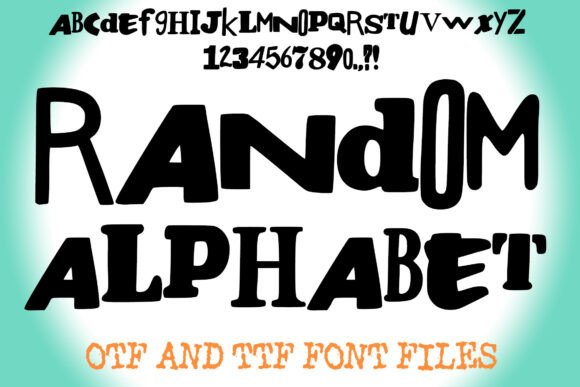
When designers search for Random Alphabet, they are often looking for more than just legibility; they want character. This truly unique display typeface offers an arresting, hand-drawn aesthetic that feels organic rather than algorithmic. Featuring a chaotic mix of irregular shapes and varying stroke weights, it captures the essence of human imperfection. Unlike rigid corporate fonts, Random Alphabet brings a sense of playful unpredictability to any project. For bloggers and publishers, this means your headers won’t look like they were copied from a template. Instead, they will feel curated, personal, and distinctly yours. The font’s ability to break the monotony of standard typography makes it an excellent choice for brands aiming to stand out in a crowded digital space.
The Visual Personality of Hand-Drawn Display Typography
The charm of Random Alphabet lies in its subtle inconsistencies. Each letter carries a slight tilt or variation in thickness, mimicking the natural rhythm of handwriting without sacrificing readability. This is crucial for editorial design, where you want to capture attention without overwhelming the reader. When used correctly, these minor irregularities create a visual texture that draws the eye across the page. It adds warmth to cold screens and depth to flat designs. Whether you are designing a podcast cover art or a blog header, this font injects a level of craftsmanship that signals quality to your audience. It tells the reader, "This content was made by a person, not a machine."
Random Alphabet for Lifestyle Blog Headers and Branding
In the world of lifestyle blogging, authenticity is currency. I found that using Random Alphabet for my blog’s main header immediately established a tone that was both approachable and sophisticated. Because the font has such a strong visual identity, it serves as a powerful branding tool. It works exceptionally well for creating a consistent look across social media graphics, newsletter headers, and website banners. By pairing this distinctive display font with simpler body text, you create a clear hierarchy that guides the reader’s eye. The contrast between the whimsical headline and the structured body copy ensures that your content remains easy to digest while still being visually striking. This balance is key to retaining readers who might otherwise bounce from a site that feels too cluttered or too bland.
Enhancing Reader Engagement Through Distinctive Headlines
Engagement starts with the first glance. When a visitor lands on your site, the typography is often the first thing they notice. Using Random Alphabet for pull quotes, section dividers, or featured post titles can significantly increase click-through rates. The font’s quirky nature invites curiosity. Imagine a recipe ebook where the title of each dish is set in this expressive typeface—it instantly suggests that the recipes are homemade and full of love. Or consider a coaching workbook where motivational phrases are highlighted with this font; the irregular shapes reinforce the idea of growth and non-linear progress. These small typographic choices accumulate to build a stronger emotional connection with your audience.
Using Random Alphabet in Digital Publications and Ebooks
For creators selling digital products, such as course PDFs or printable planners, visual appeal directly impacts perceived value. I tested Random Alphabet in a downloadable guide and found that it elevated the entire production quality. The font’s display capabilities make it perfect for chapter openers, table of contents titles, and decorative accents. However, it is important to remember that this is a display font, not a body text solution. Its strength lies in short bursts of text. When used for longer paragraphs, the irregularity can become fatiguing to read. Therefore, the best practice is to reserve Random Alphabet for emphasis and structure, letting a neutral serif or sans serif font handle the heavy lifting of narrative flow. This strategic use ensures that your publication looks professional and polished.
Optimizing Layouts for Mobile and Print Exports
One of the challenges with unique display fonts is ensuring they render well across different devices. Fortunately, Random Alphabet maintains its integrity whether viewed on a smartphone screen or printed on high-quality paper. For mobile layouts, I recommend keeping the font size generous enough to ensure legibility, as the irregular shapes can sometimes get lost at very small sizes. When exporting to PDF for print materials, check the vector quality to ensure that the hand-drawn edges remain crisp. This versatility makes the font a valuable asset for hybrid creators who need their designs to look good everywhere, from Instagram stories to physical workshop handouts.
Strategic Font Pairing for Editorial Cohesion
To get the most out of Random Alphabet, thoughtful font pairing is essential. The goal is to let the display font shine while providing a stable foundation for reading content. I typically pair this typeface with a clean, modern sans serif for UI elements like navigation menus and buttons, which creates a pleasing tension between order and chaos. For body text, a classic serif font provides a timeless elegance that complements the contemporary feel of the handwritten style. This combination ensures that your design doesn’t feel overwhelming. The Random Alphabet acts as the star, while the supporting fonts play the role of reliable stagehands, guiding the audience through the content seamlessly. Proper pairing prevents visual fatigue and keeps the focus on your message.
Building a Versatile Type Scale
A well-designed editorial layout relies on a clear type scale. By introducing Random Alphabet at various levels—perhaps as H1s for main articles and H3s for sub-sections—you create a rhythmic flow that keeps readers engaged. Use the font sparingly for maximum impact. Overusing a strong display font can dilute its effect and make the layout feel busy. Instead, treat it like a spice: a little goes a long way. Consider using it for single-word emphasis or short phrases within a paragraph to break up walls of text. This technique not only improves aesthetics but also aids in skimmability, allowing readers to quickly grasp the main points of your content.
Commercial Licensing and Practical Considerations
Before incorporating Random Alphabet into any commercial project, it is vital to review the licensing terms. Most premium display fonts come with specific guidelines regarding how they can be used in digital downloads, client work, and merchandise. Ensure that the license covers your intended use cases, whether that’s embedding the font in a PDF, using it in web design via @font-face, or printing on physical goods. Understanding these details protects your business and respects the designer’s work. Additionally, check if the font includes multiple weights or alternate characters that could expand your creative options. Having access to a comprehensive font family allows for greater flexibility in design, enabling you to create more dynamic and varied layouts.
Elevating Your Design Assets with Premium Typography
Investing in high-quality fonts like Random Alphabet is an investment in your brand’s identity. Cheap, generic fonts can undermine the professionalism of even the best content. By choosing a unique display font, you signal to your audience that you care about detail and quality. This attention to typography enhances the overall user experience, making your blogs, ebooks, and newsletters more enjoyable to consume. As you experiment with Random Alphabet, you will likely discover new ways to express your brand’s voice through text. It encourages creativity and pushes you to think beyond standard design conventions. Ultimately, the right font choice can turn a simple layout into a memorable visual experience that resonates with your readers.