Ransom Note Typeface: A Hand-Drawn Display Font for Bold Branding
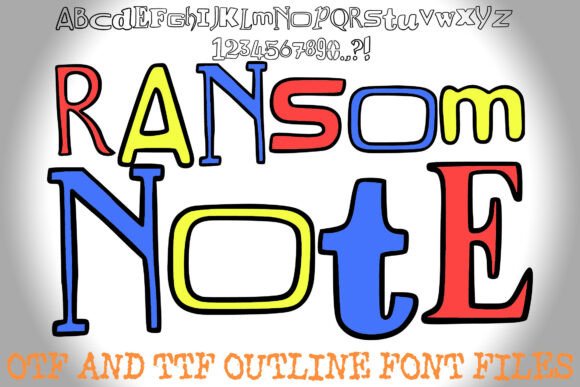
I opened a blank Figma file at 9 PM on a Tuesday, staring at a brand board that felt completely lifeless. The client was a small-batch skincare label trying to break into the crowded indie beauty market. They wanted something "edgy" but not aggressive, "handmade" but still professional. Most of the trendy script fonts I pulled from my library felt too polished, too corporate, or just plain generic. That’s when I remembered Ransom Note. It wasn’t in my immediate favorites, but its description caught my eye: a truly unique display typeface with an arresting, hand-drawn aesthetic where no two letters quite match. I dragged it onto the canvas, and suddenly, the entire mood of the project shifted.
If you are a graphic designer tired of seeing every other startup use the same clean sans-serif or predictable serif, you need to understand why this chaotic mix of irregular serifs is becoming a secret weapon for distinctive branding. This isn’t just another decorative font; it is a tool for creating immediate visual interest and personality. Let’s walk through how I integrated this creative font into a real-world identity system and why it might be the missing piece in your design assets.
Ransom Note for Edgy Packaging Design and Product Labels
When I first tested Ransom Note, I placed it on a mockup of a matte black jar label. The contrast between the sleek packaging and the jagged, uneven letterforms created an instant tension that demanded attention. This is exactly what Unleash the unexpected with the Ransom Note Font promises. In packaging design, especially for products like candles, artisanal foods, or niche cosmetics, you have less than three seconds to grab a customer’s eye on a shelf. Standard typography often blends into the background noise of modern retail. However, because no two letters in this font quite match, it creates a rhythm that feels organic and human-made.
The irregular serifs give the text a tactile quality, almost as if it were stamped or cut out by hand. For a brand identity that wants to communicate authenticity, craftsmanship, or rebellion against mass production, this display font delivers that message without needing extra graphics. I found that using it for the primary product name worked beautifully, while keeping the supporting information—like ingredients or volume—in a clean, neutral sans-serif font maintained readability. This balance is crucial. If you overuse a high-energy typeface, the design can become visually exhausting. But used sparingly as a headline or logo element, it anchors the brand with character.
Ransom Note in Social Media Graphics and Digital Headers
Transitioning from print to digital, I applied the font to Instagram story templates and website headers for the same project. Social media feeds are incredibly fast-paced. Users scroll past hundreds of images daily. To stop the thumb, you need visual disruption. The chaotic energy of Ransom Note provides exactly that disruption. It feels raw and unfiltered, which resonates well with audiences who value transparency and behind-the-scenes content.
However, working with such a distinct typeface requires discipline. Because the letters vary so much in width and weight, tracking (letter spacing) becomes a critical part of the design process. Tight tracking made the text look cluttered and hard to read on mobile screens, while loose tracking emphasized the individual quirks of each glyph, turning the word itself into a graphic shape. I learned quickly that this font works best as a headline font rather than body copy. When used for short-form text—like a quote overlay or a sale announcement—it commands authority. For longer paragraphs, it fails the usability test. As a designer, recognizing these limits is part of mastering any premium font. You aren’t just buying glyphs; you are buying a specific voice that must be spoken loudly and clearly, not whispered in small sizes.
Ransom Note for Editorial Design and Poster Typography
One of the most surprising applications I discovered was in editorial design. I had a layout for a zine-style brochure promoting a local music festival, and standard fonts felt too rigid for the subject matter. Swapping in Ransom Note instantly injected a punk-rock, DIY ethos into the page. The erratic nature of the characters mimics the collage style often seen in underground art scenes, yet it remains legible enough to convey necessary information.
This versatility highlights why it is categorized under Display Fonts. It is designed to be looked at, not just read. In poster design, where scale allows for large, impactful lettering, the irregular serifs catch the light and create shadows that add depth to flat designs. It adds texture without requiring complex illustration work. For freelance designers looking to offer more dynamic branding packages, having a typeface like this in your arsenal allows you to propose concepts that feel bespoke and custom-tailored, rather than template-based. Clients respond positively to typography that feels like it was drawn specifically for their brand, even if it is a commercially available license.
Font Pairing Strategies with Ransom Note
No single typeface can do everything, and Ransom Note is no exception. Its strength lies in its chaos, which means it needs order to balance it. When building a full brand identity, pairing this font correctly is the difference between a cohesive look and a messy one. I recommend pairing it with a very clean, geometric sans-serif font for secondary text. The contrast between the rough, hand-drawn aesthetic of the headline and the sterile precision of the body text creates a sophisticated tension.
Avoid pairing it with other handwritten or brush script fonts. The competition between two "messy" typefaces will result in visual noise that confuses the viewer. Similarly, avoid classic old-style serifs, as they may clash stylistically. Instead, look for modern, minimalist typefaces that recede into the background. This allows Ransom Note to remain the star of the show. By letting the display font take center stage, you ensure that your brand message is clear, memorable, and professionally executed.
Why Choose Ransom Note for Commercial Projects
In the world of commercial font licensing, variety is key. While many brands seek uniformity, there is a growing market for brands that want to stand out through imperfection. Ransom Note taps into this desire for authenticity. It is perfect for entrepreneurs, marketers, and content creators who want to inject personality into their digital templates, merchandise, and printed marketing materials. Whether you are designing a logo for a boutique coffee shop or headers for a creative studio’s portfolio, this typeface offers an arresting presence that generic fonts simply cannot match.
Before committing to a full brand system, always test the font in various contexts. Look at it on a business card, a tote bag, and a website hero section. Does it hold up? Does it feel true to the brand’s values? For me, the answer was yes. It turned a mundane skincare label into something that felt like an artifact. If you are looking to unleash the unexpected in your next project, consider how the chaotic charm of Ransom Note could redefine your visual language. It is more than just a font; it is a statement.