Trigger Graffiti: The Urban Typeface for Bold Brand Identity
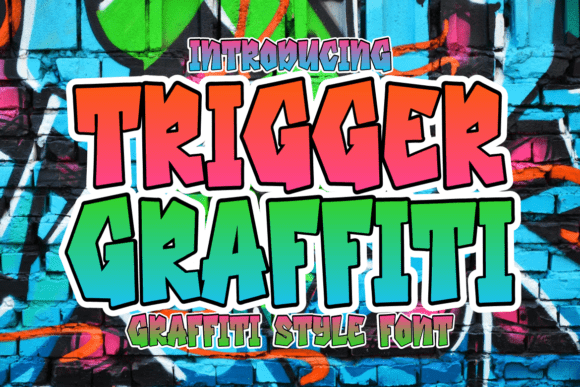
I remember staring at a blank Figma file, the cursor blinking mockingly. My client wanted a visual identity that screamed "energy" but didn't want to rely on cliché spray-paint textures or generic street art stock photos. They needed something that felt authentic, raw, and undeniably modern. That was when I pulled Trigger Graffiti into the project. This isn't just another decorative typeface; it is an electrifying street-style font that explodes with urban energy and youthful rebellion. With thick, uneven letterforms and hard-angled cuts, this typeface captures the bold spontaneity of city life while maintaining enough structural integrity to be used in serious branding work.
As a graphic designer, I am always wary of fonts that look cool in isolation but fall apart in application. However, testing Trigger Graffiti revealed its true potential as a premium display font capable of anchoring a entire brand system. Below, I’ll walk you through how I integrated this dynamic font into a real-world creative studio rebrand, offering practical insights for your own design projects.
Why Trigger Graffiti Works Best as a Display Font for Creative Studios
When evaluating new Fonts, the first question is always: where does it live? Trigger Graffiti is explicitly designed as a Display typeface, meaning it commands attention rather than whispering information. In our project, we placed it prominently on the homepage hero section and large-format outdoor signage. The hard-angled cuts create a sense of movement and urgency that standard sans-serif fonts simply cannot achieve.
The visual weight of the letters allows them to function as graphic elements themselves. When used for logo design or editorial headlines, the uneven letterforms add a layer of texture without requiring additional illustration. This makes it an ideal choice for creative studios, marketing agencies, and lifestyle brands that need to convey a message of innovation and edge. Unlike traditional serif fonts or clean sans serif fonts that prioritize neutrality, Trigger Graffiti brings personality from the get-go, reducing the need for heavy graphic overlays.
Integrating Trigger Graffiti into Packaging Design and Product Labels
One of the most challenging aspects of branding is ensuring consistency across physical touchpoints. I tested Trigger Graffiti on product labels for a line of artisanal skincare and limited-edition merchandise. The font’s robust structure held up beautifully against complex backgrounds and varied material textures. Because the characters are thick and distinct, they remain legible even when scaled down to small sticker sizes or embossed onto packaging materials.
For entrepreneurs and small business owners looking to stand out on shelves, using a creative font like this can differentiate a product from competitors who stick to safe, corporate typography. The font pairs surprisingly well with minimalist layouts. By surrounding the bold, rebellious text with ample white space and high-quality photography, the design feels curated rather than chaotic. This balance is crucial for maintaining professionalism while still leveraging the font's edgy appeal.
How Trigger Graffiti Enhances Social Media Graphics and Digital Templates
In the digital realm, scroll-stopping power is everything. I utilized Trigger Graffiti extensively in social media graphics for Instagram and Pinterest campaigns. The font’s urban aesthetic resonates strongly with younger demographics who value authenticity and boldness. Whether creating event flyers, promotional banners, or quote cards, the typeface adds immediate visual hierarchy.
Because it is a commercial font licensed for broad use, designers can confidently apply it to digital templates without worrying about legal gray areas. When designing for platforms where images are viewed on mobile screens, the thick strokes of Trigger Graffiti ensure readability even at smaller resolutions. It serves effectively as an accent font for call-to-action buttons or headline overlays, guiding the user’s eye directly to the most important information. Its ability to convey "youthful rebellion" helps brands connect emotionally with audiences seeking more than just a transactional relationship.
Effective Font Pairing Strategies for Modern Typography Projects
No single typeface can do everything, and Trigger Graffiti is no exception. To prevent visual fatigue, strategic font pairing is essential. During the rebrand process, I paired Trigger Graffiti with a clean, geometric sans serif font for body copy and secondary information. This contrast highlights the expressive nature of the display font while ensuring that longer reads remain accessible and comfortable.
Avoid pairing it with other decorative or script fonts, as the competition for attention will result in a cluttered design. Instead, let Trigger Graffiti be the star. If you are working on a project that requires a softer tone, consider balancing the harsh angles with a modern typography style that features rounded edges. This juxtaposition creates a sophisticated tension—soft versus hard, organic versus industrial—that is highly effective in contemporary brand identity design. Checking the included styles and alternates within the font file can also provide subtle variations to keep long-form headings interesting without breaking the visual rhythm.
Practical Considerations for Licensing and File Formats
Before committing to any typeface for a full brand system, it is vital to review the technical specifications. For Trigger Graffiti, verifying the multilingual support ensures that your brand can communicate globally if needed. Additionally, confirming the file formats (such as OTF, TTF, and web-ready WOFF) guarantees compatibility across various design software and development environments.
Understanding the commercial font licensing terms protects both the designer and the client. A proper license allows for use in logos, merchandise, and unlimited digital impressions, which is necessary for scalable business growth. By investing in a high-quality, legally sourced font, you avoid the risk of cease-and-desist orders later on. The initial cost is negligible compared to the value of a cohesive, professional, and legally compliant brand asset library.
Testing Before You Commit: A Designer’s Checklist
I always advise clients to test the font in context before finalizing the purchase. Create a quick mockup of a business card, a website header, and a product label. Does the font feel too aggressive for your specific industry? Does it maintain its character when inverted or colored differently? Trigger Graffiti is versatile enough to handle dark mode interfaces and light paper stocks alike, but seeing it in your specific color palette is the only way to know for sure.
Ultimately, Trigger Graffiti is more than just a collection of glyphs; it is a tool for storytelling. It allows designers to inject narrative and mood directly into the typography itself. Whether you are launching a new startup, refreshing an existing brand, or creating content for a niche audience, this urban-typeface offers a powerful way to capture attention and drive engagement. By understanding its strengths as a display font and respecting its visual weight, you can create designs that are not only seen but remembered.