Your Candy: The Playful Display Font for Adorable Web Design
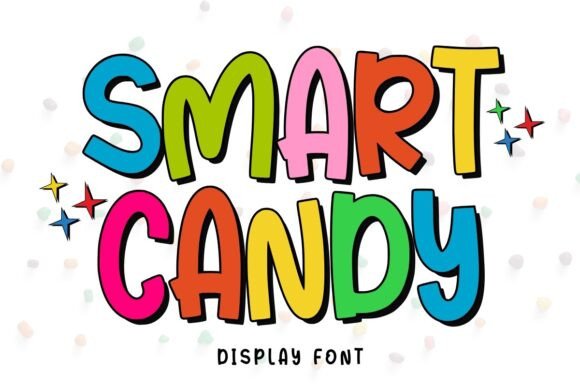
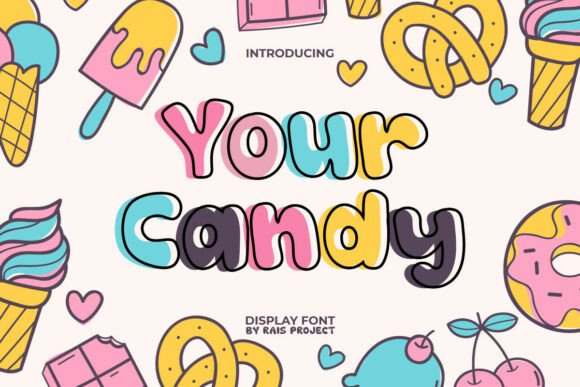
Your Candy is a playful, cute comic display font with a candy theme, by RaisProject. This font can give an adorable look and beautify your design, such as book cover, brand image, menu, poster, signag. As a web designer, I often search for typefaces that immediately convey personality without sacrificing legibility on screens. While many decorative fonts fail in digital environments due to poor spacing or overly complex shapes, Your Candy strikes a balance between whimsical charm and structural clarity. It belongs firmly in the category of Display Fonts, meaning it is designed to grab attention at larger sizes rather than serve as body text. In this guide, we will explore how to integrate this specific typeface into modern web layouts, ensuring your digital products feel cohesive, engaging, and professionally finished.
Why Your Candy Enhances Landing Page Hero Sections
The hero section of any landing page is the first impression a visitor has of your brand. Using Your Candy here can instantly set a tone of fun, creativity, and approachability. Unlike rigid corporate sans serifs, a comic display font like Your Candy humanizes your interface. When you pair this Display Fonts asset with a clean, neutral background, the typography becomes the focal point. For example, if you are designing a sales page for a creative course or a boutique online store, using Your Candy for the main headline draws the eye naturally. However, readability remains paramount; ensure the hero text is large enough (at least 3rem or 48px) so the intricate details of the letterforms do not blur on high-resolution mobile displays. This font works best when used sparingly as a headline accent rather than a paragraph filler.
Using Your Candy for Menu Headers and Navigation Accents
In e-commerce and service-based websites, clear navigation is critical. While you should never use a decorative font for actual navigation links due to accessibility concerns, Your Candy can be effectively utilized in sub-headers, category labels, or promotional banners within the menu area. The description notes that this font beautifies designs like a menu. In a web context, imagine a restaurant’s online reservation page or a cafe’s product catalog where Your Candy introduces each section header. This creates a visual rhythm that guides the user through the content without overwhelming them. By combining this comic display font with a highly readable sans serif for the actual link text, you maintain both aesthetic appeal and functional usability. This hybrid approach ensures that users can scan the page quickly while still enjoying the unique brand voice established by the typography.
Boosting Brand Identity with Your Candy on Digital Posters
Digital marketing often relies on static images, social media graphics, and email headers. Here, the limitations of screen resolution and small viewing distances make font choice crucial. Your Candy excels in these poster-like contexts because its bold, candy-themed characters stand out against busy backgrounds. When creating ad creatives for Google Ads or Facebook campaigns, using Your Candy for the primary call-to-action phrase can increase click-through rates by adding emotional resonance. The "cute" aspect of the font triggers positive associations, making your brand feel friendlier. As a premium font option, it allows designers to create custom assets that look polished rather than generic. Ensure that contrast is high; white text on dark pastel backgrounds or dark text on bright yellow backgrounds works exceptionally well with this Display Fonts style.
Integrating Your Candy into Signage and Wayfinding for Web Apps
Even in digital interfaces, "signage" principles apply. Think of error messages, empty states, or success notifications in a web application. These moments are perfect opportunities to inject personality. Instead of a sterile system alert, using Your Candy for the title of a notification can soften the blow of bad news or celebrate a user achievement. The font’s ability to provide an adorable look makes it ideal for gamified elements or loyalty programs within apps. When designing for younger audiences or creative industries, this comic display font aligns perfectly with the expected user experience. Just remember to keep the text short. The complexity of the letterforms means that long strings of text become difficult to read. Use it for single words or short phrases that act as visual anchors in your layout.
Pairing Your Candy with Body Copy for Balanced Readability
A common mistake in web design is letting a decorative font take over too much space. To maintain professional standards, Your Candy must be paired with a simple, unobtrusive typeface for body copy. A geometric sans serif or a clean neo-grotesque font provides the necessary contrast to let the Display Fonts character shine. This pairing strategy supports visual hierarchy: the eye is drawn to the unique Your Candy headlines first, then flows naturally to the explanatory text below. For instance, on a blog post or a detailed product description page, use Your Candy only for the article title and section dividers. The rest of the content should remain in a font optimized for long-form reading. This distinction ensures that your site remains accessible and comfortable to read, which is essential for SEO and user retention.
Best Practices for Mobile Responsiveness with Your Candy
With the majority of web traffic coming from mobile devices, testing your typography across viewports is non-negotiable. Your Candy may lose some of its charm if scaled down too small, causing the "candy" details to merge into indistinct blobs. Always test the font at various breakpoints. If the font appears cluttered on a smartphone screen, consider reducing the font size slightly or increasing the letter-spacing (tracking) to improve legibility. Additionally, check how the font renders on different operating systems. Some comic display fonts may have slight rendering differences between iOS and Android. Ensuring consistent appearance helps maintain a trustworthy brand identity. If the font does not support webfont formats natively, ensure you are using high-quality PNGs or SVGs for critical graphical text elements to avoid pixelation.
Licensing and Commercial Use for Web Design Projects
Before deploying Your Candy on a live website or embedding it in a downloadable template, verify the licensing terms provided by RaisProject. Commercial font licenses typically cover usage in logos, printed materials, and sometimes web embedding. However, some licenses distinguish between desktop use and webfont usage. If you are building a client project, such as a brand image overhaul for a retail store, you need to ensure the license allows for public-facing digital display. Understanding these distinctions protects you from legal issues and ensures your client’s investment is secure. Many premium Fonts providers offer separate web licenses, which may include hosting files on your CDN. Always review the EULA (End User License Agreement) to confirm that your specific use case—whether it’s a SaaS dashboard, an e-commerce shop, or a personal portfolio—is covered.
Conclusion: Elevate Your Digital Assets with Your Candy
Incorporating Your Candy into your web design workflow requires strategic placement but yields significant returns in brand differentiation. Its unique position as a playful, cute comic display font allows it to transform standard layouts into memorable experiences. Whether you are designing a book cover for a digital download, crafting a vibrant brand image, or creating eye-catching signage for a popup event, this typeface offers versatility and charm. By respecting its role as a Display Fonts asset and pairing it wisely with functional typography, you can create web experiences that are both beautiful and effective. For designers looking to add a touch of sweetness and professionalism to their projects, Your Candy is a valuable addition to any design toolkit.