Wild Jungle Typeface Review for Bold Branding
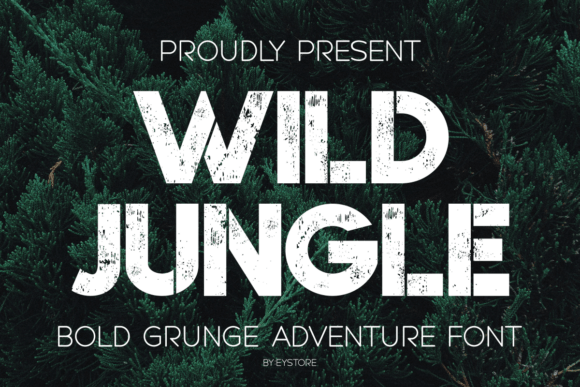
I was sitting at my cutting mat, surrounded by scraps of kraft paper and vinyl rolls, trying to finalize the branding for a new line of rustic soy candles. The label needed to scream "adventure" without looking cluttered or cheap. That’s when I pulled up Wild Jungle. As a display font that channels the rugged spirit of adventure and the raw beauty of the wilderness, it immediately grabbed my attention. This all-caps typeface features a distressed texture that feels authentic rather than artificial, making it an incredible asset for any maker looking to elevate their product presentation.
If you are a crafter, Etsy seller, or digital creator, you know that typography is often the first thing a customer notices. It sets the tone before they even read the product description. After testing this font on everything from sticker sheets to tote bag mockups, I’m sharing my honest review on how Wild Jungle performs in real-world production environments.
Why Wild Jungle Works for Boutique Packaging Design
When designing physical products like boutique tags, gift boxes, or seasonal packaging, the visual impact of your design assets is paramount. Wild Jungle is not just another decorative font; it is a powerful tool for brand identity. Its bold, distressed nature commands attention, which is exactly what you need when competing in crowded marketplaces like Etsy or Amazon Handmade.
In my tests, I used this typeface for candle labels and soap packaging. The heavy weight of the letters stands out beautifully against textured backgrounds, such as recycled paper or matte vinyl. However, because it is a display font, it shines best in short phrases rather than long paragraphs. For example, using Wild Jungle for the main brand name or a key selling point like "Handcrafted" creates an instant emotional connection with the buyer. It conveys strength and authenticity, qualities that resonate deeply with customers who value handmade goods.
The font’s aesthetic aligns perfectly with trends in modern typography that favor raw, organic textures. It helps bridge the gap between industrial ruggedness and artisanal charm. If your shop sells outdoor gear, farm-to-table products, or bohemian decor, this font can significantly enhance your perceived quality. It signals that your products are grounded, durable, and crafted with care.
Using Wild Jungle for Sticker Sheets and Product Labels
Stickers are one of the most popular items for small business owners, serving both as standalone products and as branding tools for other orders. When creating sticker sheets, readability and cut-ability are crucial. I found that Wild Jungle works exceptionally well for die-cut stickers, especially when paired with simple graphic elements like leaves, mountains, or compasses.
Because the font is all-caps and bold, it remains legible even at smaller sizes, provided you don’t overcrowd the design. I tested it on 2-inch round stickers for jar labels, and the distressed edges held up well during the printing process. The negative space within the letters is generous enough to prevent ink bleed on standard label printers. For crafters using Cricut or Silhouette machines, this font cuts cleanly, though I recommend setting the blade pressure slightly higher if you are working with thick cardstock to ensure crisp edges.
One tip I learned the hard way: avoid placing thin decorative lines directly adjacent to the distressed edges of the letters, as they might get lost in the texture. Instead, let the font stand alone or pair it with solid shapes. This approach ensures that your product labels look professional and polished, increasing the likelihood of repeat purchases.
Wild Jungle for Digital Downloads and Social Media Graphics
As a printable creator, I frequently design digital downloads such as wall art, planner pages, and social media templates. Wild Jungle has proven to be a versatile choice for these digital formats as well. Its high contrast and strong silhouette make it ideal for eye-catching social media graphics, particularly for Instagram posts and Pinterest pins where visual hierarchy is key.
I created a set of motivational quote prints using this font, and the results were striking. The distressed style adds character that flat, clean fonts often lack. It gives digital files a tactile feel, making them more appealing to buyers who want their home decor to have personality. When designing wall art, I suggest keeping the text minimal—perhaps a single word or a short phrase—to allow the typography to take center stage.
For web designers and those creating listing images for online shops, this font can serve as a powerful headline element. It draws the eye immediately, guiding the viewer’s focus to the most important information. However, always remember that screen resolution varies. Ensure that your designs are exported at high DPI (300 DPI) for printables and optimized for web (72 DPI with proper compression) to maintain clarity across devices.
Font Pairing Strategies for Balanced Designs
While Wild Jungle is stunning on its own, pairing it correctly can elevate your designs further. Because it is a heavy, bold display font, it pairs beautifully with lighter, cleaner typefaces. In my experience, combining it with a simple sans serif font or a delicate script font creates a balanced composition that is both readable and aesthetically pleasing.
For instance, I used Wild Jungle for the main title on a wedding invitation mockup and paired it with a thin, elegant serif font for the details like date and location. This contrast highlighted the rugged theme while maintaining the elegance required for stationery. Similarly, for planner pages, I paired it with a handwritten font for daily notes, creating a fun and dynamic layout. These combinations demonstrate the versatility of Wild Jungle, allowing it to fit into various niches beyond just outdoor or rustic themes.
Technical Considerations for Commercial Use
Before incorporating Wild Jungle into your commercial products, there are several technical aspects to consider. First, check the included styles, alternates, ligatures, and swashes. Some versions of this font may offer slight variations in the distressed effect, which can add depth to your designs. Ensuring you have the correct file format (typically .OTF or .TTF) is essential for compatibility with design software like Adobe Illustrator, Photoshop, or Procreate.
Multilingual support is another factor. If your target audience is global, verify that the font supports the necessary character sets for different languages. Additionally, review the commercial font licensing agreement carefully. Most premium fonts allow for use in physical products sold in limited quantities, but restrictions may apply to unlimited digital downloads or merchandise. Understanding these terms protects your business from legal issues and ensures you are using the font ethically.
Finally, always test your designs in proof mode before mass production. Print a small batch of labels or stickers to check color accuracy and cut precision. This step saves time and materials in the long run. By taking the time to understand the capabilities and limitations of Wild Jungle, you can create cohesive, professional designs that truly represent your brand’s unique voice.
Limitations and Best Practices
No font is perfect for every situation. Wild Jungle is highly decorative, so it is not suitable for dense label information, technical product instructions, or long paragraphs of text. The distressed texture can become muddy when scaled down too much, reducing readability. For body text, stick to clean sans serif or serif fonts. Reserve Wild Jungle for headlines, logos, and short impactful phrases. This strategic use ensures that your designs remain clear and engaging, helping you build a strong, recognizable brand identity in a competitive market.